
 by on
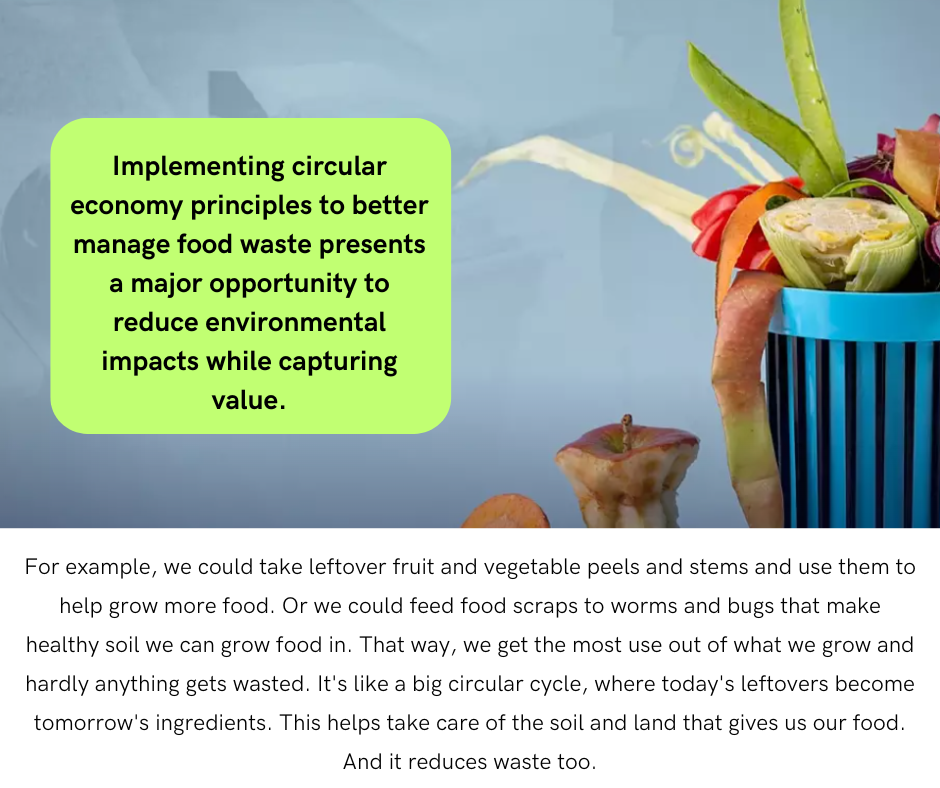
by on Food waste is a massive yet often overlooked problem facing communities around the world. An estimated 30-40% of the food produced globally ends up as waste, contributing substantial greenhouse gas emissions as it rots in landfills. The problem lies with the way we produce and consume food. Nearly one-third of the world’s food is wasted or lost every year, yet a growing number of people are starving. The fact is that in nature, there is no such thing as waste – everything gets used again by other plants and animals. Using circular economy principles we can design our food system to work more like nature, where leftovers and scraps get made into new things instead of being thrown away.
This toolkit provides instructors with practical guidance on teaching students innovative approaches for tackling food waste in their communities.
It focuses on building core skills in systems thinking, social entrepreneurship, business modelling, project management, and communication. Students will map flows of food waste at the community level to identify hotspots for intervention. They will then develop, structure, and pitch sustainable business ideas to manage this waste more effectively.
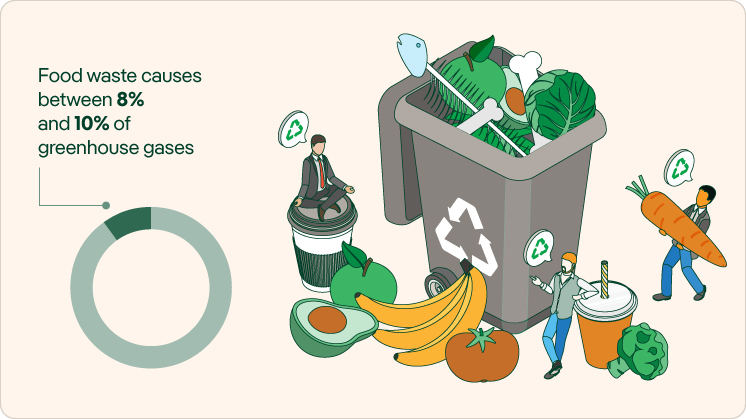
Source: https://www.iberdrola.com/sustainability/food-waste
Key topics covered include:
- Fundamentals of Circular Economy and Food Waste
- Community Food Waste Mapping techniques
- Creative Social Entrepreneurship and Idea Generation
- Use of the Sustainable Business Model Canvas
- Business Pitching and Communication tactics
- Introduction to Project Management
Equipped with this toolkit, instructors can engage and empower students to create and prototype solutions that drive real change. Students will gain transferable skills while contributing to the vital task of transitioning communities towards more circular and sustainable food systems.
Facilitators Role and Best Practices
The facilitator must establish a compelling context for the workshop. Begin by presenting a clear picture of the global food waste problem, its impact, and the potential for change. The facilitator should use storytelling techniques, visuals, and relatable examples to capture participants’ attention and emphasise the urgency of the issue.
Highlight Circular Economy Principles
Facilitator’s Role: Clearly explain the principles of the circular economy and how they can be applied to the food system. The facilitator should provide relatable analogies and real-world examples to ensure participants grasp the concept. Encourage questions and discussions to ensure everyone understands the importance of transitioning towards circular practices.
Interactive Learning
Facilitator’s Role: Foster engagement through interactive activities. The facilitator should carefully plan and seamlessly integrate hands-on exercises, group discussions, and case studies. Actively encourage participation, ensuring that every participant has the opportunity to share their thoughts and learn from others.
Skill-Building Modules
Facilitator’s Role: Structure the workshop around skill-building modules, guiding participants through each skill with clarity. Provide practical examples and scenarios relevant to education and food waste. Facilitators should offer guidance during exercises, providing insights into the real-world application of each skill.
Community Mapping
Facilitator’s Role: Guide participants through the process of mapping food waste flows within their communities. Facilitators should ensure that the mapping exercise is thorough, covering both upstream and downstream aspects. Offer assistance in identifying intervention points and encourage collaborative discussions among participants.
CommunityBusiness Idea Development Mapping
Facilitator’s Role: Facilitate brainstorming sessions where participants can develop sustainable business ideas. Encourage creativity while ensuring that ideas align with circular economy principles. The facilitator should provide guidance on feasibility, scalability, and potential impact, fostering a supportive environment for idea development.
Pitching Session: This is where the participants get a chance to showcase what they have learnt in the session and the implementation of their ideas. This is a great opportunity for other participants as well to look at the pros and cons of each proposal or idea.
Facilitator’s Role: Manage the pitching session by creating a structured and supportive atmosphere. Ensure that each participant has a fair opportunity to present their ideas. Facilitators should provide constructive feedback, focusing on both strengths and areas for improvement. Encourage peer-to-peer feedback to enhance the learning experience.
Resource Sharing
Facilitator’s Role: Share additional resources, reading materials, and case studies. Facilitators should curate a collection of relevant materials for ongoing learning. Create a platform for participants to share their findings and resources, fostering a collaborative learning community.
Evaluation and Feedback
Facilitator’s Role: Collect feedback from participants at various stages of the workshop. Use this feedback to make real-time adjustments and improve the overall experience. After the workshop, analysed and provide feedback to refine future iterations and assess the impact of the workshop on participants’ understanding and commitment to addressing food waste.
