
 by
by 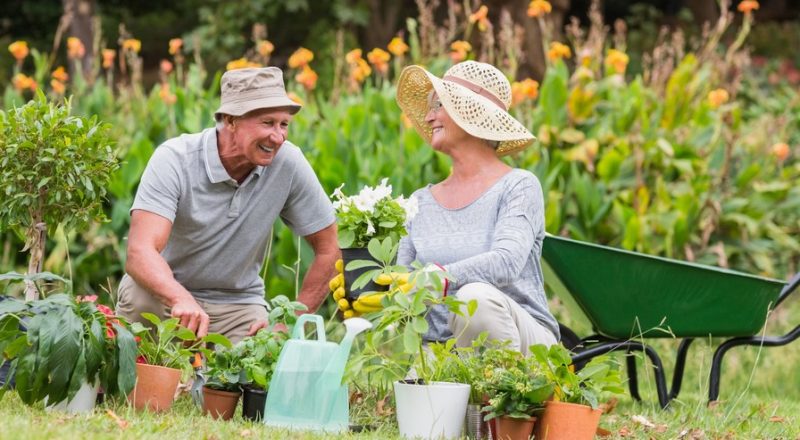
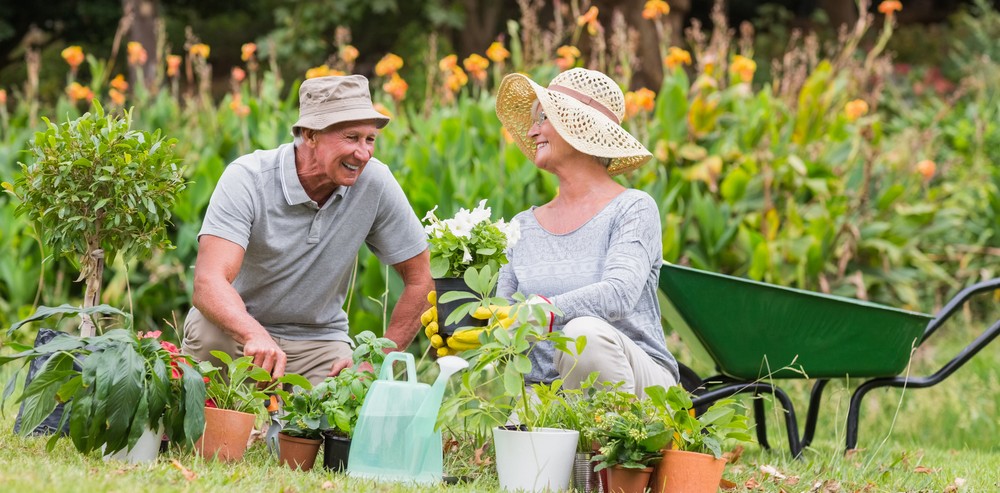
Gardening can be a particularly beneficial activity for both physical and mental well-being, especially in later life. It can improve mobility, muscle strength, and coordination, and it also stimulates the senses through contact with soil and plants.
The results of a study conducted by the University of Agricultural Sciences in Cluj, Romania, and King’s College London confirm that gardening has measurable effects on both mental and physical health.
Link to study
Having a garden is not a necessary requirement to engage in gardening. This activity can also be carried out on balconies, terraces, and even indoors. Windowsills, for example, can be used to grow smaller plants, while other plants can thrive inside the home. This makes gardening a year-round activity, regardless of weather conditions.
Gardening is considered a valuable “multicomponent intervention”—that is, an activity that provides benefits on multiple levels at once. It combines moderate physical exercise, a connection with nature, the pursuit of tangible goals, and enriching social interactions.
Research shows that it helps reduce symptoms of depression and anxiety, boosts self-esteem, increases personal satisfaction, and improves cognitive function. It’s therefore a safe and easily accessible opportunity to stay active, even in older age.
We should also consider the social aspect: interacting with neighbors in a community garden, sharing the harvest, or simply being in tune with the rhythm of the seasons reinforces a sense of belonging—both to the community and to the natural cycle of life.
All these elements that link gardening to active aging have led to the creation of a European project called SeniORGarden, designed to promote healthy and dynamic aging by supporting seniors in maintaining an active and socially engaged lifestyle. This goal is achieved through the creation of organic gardens, using eco-sustainable practices and smart technologies.
The program will adopt an innovative approach to learning about environmental sustainability, involving seniors and their families. This also offers an opportunity to strengthen European identity by sharing knowledge about the EU Green Deal.
Gardening, in fact, can be a practical way to apply the principles of the Green Deal—promoting biodiversity, waste reduction, and environmental sustainability.
Thanks to gardening, participants can engage in physical activity, improving their health, mental well-being, and gaining personal satisfaction from nurturing and growing their own crops.
This is an original approach that places gardening at the heart of the learning process—an engaging method particularly suitable for older adults who might find theoretical lessons challenging to follow.
👉 Follow the SeniORGarden project at: https://aframework.it/progetto/seniorgarden/
👉 Interested in taking part? Write to us at: https://aframework.it/contatti/
Sources and further reading:
https://osservatoriosenior.it/2021/04/il-giardinaggio-un-toccasana-nella-terza-eta/
https://www.codess.org/il-giardino-come-terapia-i-benefici-della-natura-per-gli-anziani-in-rsa/
https://digital-strategy.ec.europa.eu/it/library/european-scaling-strategy-active-and-healthy-ageing
https://epale.ec.europa.eu/system/files/2023-10/Policy%20Paper%20IT.pdf
https://commission.europa.eu/strategy-and-policy/priorities-2019-2024/european-green-deal_it
